Importance of Philosophy in Music Education
- Jacob Factor
- Jun 7, 2025
- 4 min read

Music education goes beyond simply teaching students to play an instrument or read notes. It is about developing critical thinking, creativity, and emotional intelligence. The importance of philosophy in music education cannot be emphasized enough. It frames our understanding of why we teach music and what we hope our students will gain from their musical experiences.
Understanding Teaching Philosophy
Teaching philosophy is a reflection of a teacher's beliefs and values about education. In music education, this philosophy shapes our instructional strategies, curriculum design, and assessments. A sound teaching philosophy guides educators in creating an engaging and effective learning environment for students. It serves as a foundation for curriculum decisions and influences how teachers interact with their students.
For instance, an educator with a student-centered teaching philosophy might prioritize hands-on activities and collaborative projects through project-based learning. Educators could also focus on incorporating student interests and cultural backgrounds into lessons through culturally responsive teaching. Both approaches foster creativity and critical thinking, which are vital in the music field.
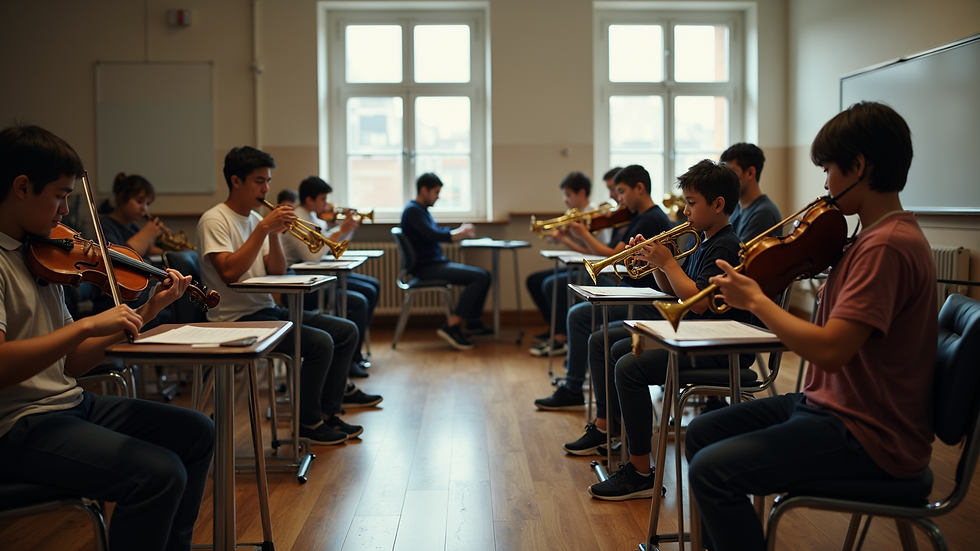
Impact of Philosophy on Music Education Practices
The influence of philosophy in music education practices is profound. A well-defined philosophy allows teachers to establish clear educational goals, which helps students understand the purpose of their learning. The National Association for Music Education (NAfME) emphasizes the importance of creating a comprehensive curriculum that incorporates several learning styles, which is a direct reflection of a robust music teaching philosophy.
For example, a teacher who subscribes to the philosophy of universal design for learning may ensure that all students, regardless of their background or ability, have access to quality music education. This could include differentiated instruction strategies, like providing varying optional levels of complexity in assignments.
Philosophy and Student Engagement
Engaging students in music requires a carefully considered philosophy. Teachers need to understand what motivates their students and how best to connect with them. Effective music educators use their philosophy to develop engaging lessons that resonate with their students' experiences and aspirations.
A philosophy that emphasizes the importance of cultural relevance in music education can lead to lessons that incorporate diverse musical genres from around the world. This engages students by helping them see the value and relevance of music in their own lives. When students are exposed to music that reflects their cultural background, they are more likely to engage deeply with the material.

Developing Critical Thinking Through Music
Teaching philosophy in music education plays an essential role in developing students' critical thinking skills. Music is inherently a complex art form that requires analysis, interpretation, and evaluation, and music educators can challenge students to think critically about their own work and the work of others.
For instance, educators can incorporate activities where students listen to pieces of music and then analyze the elements that contribute to its emotional impact. Guiding students through discussions on musical choices encourages them to articulate their thoughts and defend their opinions. This not only enhances their critical thinking skills but also fosters a life-long appreciation for music and its complexities.
```
Building Relationships Through Music Education
Music can create lasting connections between people. A strong teaching philosophy in music education emphasizes collaboration and community building within the classroom. By fostering positive relationships among students, teachers can create a supportive environment that encourages growth and creativity.
Teachers who view their role as facilitators rather than just instructors can implement group projects, ensemble performance, or peer assessment activities. These collaborative experiences help students learn to communicate effectively, appreciate diverse perspectives, and work towards shared goals.
The benefits of relationship-building extend beyond the music classroom. Skills developed in group music activities—such as teamwork and empathy—are transferable to other areas of students' lives, just as many of the aforementioned skills (e.g., critical thinking and reflective abilities). A philosophy that highlights these experiences can significantly impact students' social development.

Continuing the Journey of Discovery
The importance of philosophy in music education is undeniable. A well-defined teaching philosophy provides structure and direction to educators, allowing them to develop engaging lessons that promote critical thinking, collaboration, and creativity. As music educators, it's crucial to continually reflect on our teaching philosophies and adapt them to meet the changing needs of our students.
Engaging with the broader music education community can be a valuable way to enhance your music teaching philosophy. Participating in workshops, conferences, or peer discussions can expose you to innovative ideas and practices that can enrich your curriculum.
For music educators seeking to refine their approach, consider exploring different aspects of your teaching philosophy. What values for music education are most important to you? How about education in general? In what ways does your philosophy currently influence your curricular considerations? How can these philosophies enhance your students' learning experiences? Reflecting on these questions can help you cultivate a more practical and impactful teaching philosophy.
By focusing on a robust music teaching philosophy, educators can transform their classrooms into dynamic learning environments where students thrive and develop a lifelong appreciation for music.
`
```


Comments